Furnace
Scientific Furnace
A scientific furnace, also known as a laboratory furnace or research furnace, is a specialized piece of equipment used in scientific research, industrial applications, and various laboratory settings. It is designed to provide controlled high-temperature environments for heating, calcination, sintering, annealing, or other thermal processes.
Scientific furnaces are commonly used in fields such as materials science, chemistry, physics, geology, and metallurgy. They are utilized for tasks like the synthesis of new materials, characterization of materials under extreme conditions, heat treatment of samples, and testing the properties of materials at high temperatures.
These furnaces typically feature advanced temperature control mechanisms, insulation to minimize heat loss, and precise heating elements such as resistance wires or heating coils. They can reach and maintain high temperatures, ranging from a few hundred degrees Celsius up to several thousand degrees Celsius, depending on the specific furnace model and application.
Scientific furnaces come in various configurations, including box furnaces, tube furnaces, muffle furnaces, vacuum furnaces, and more. Each type is designed to accommodate different sample sizes, shapes, and experimental requirements. They may also offer additional features like programmable temperature profiles, gas atmospheres, rapid heating/cooling rates, and integrated monitoring systems for data acquisition.
Muffle Furnace
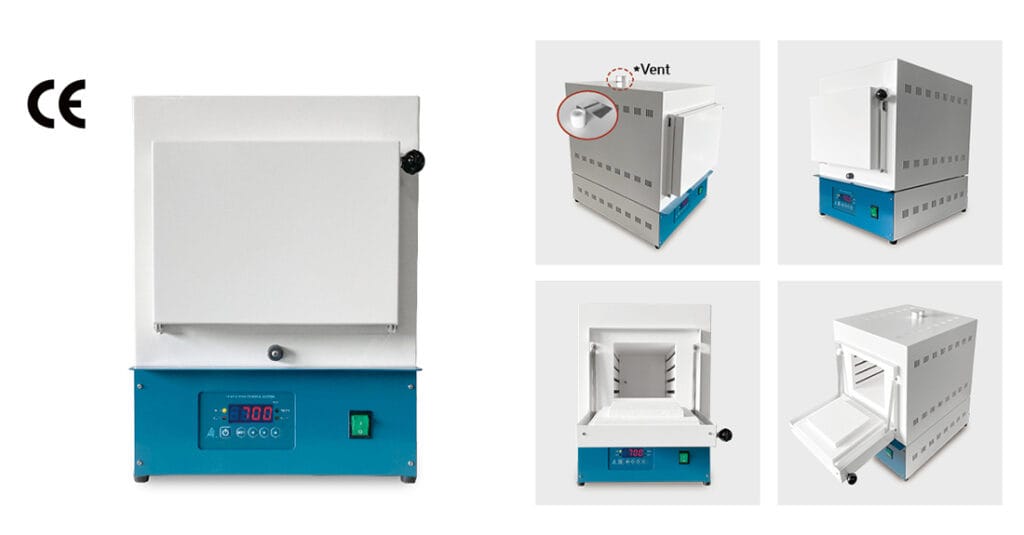
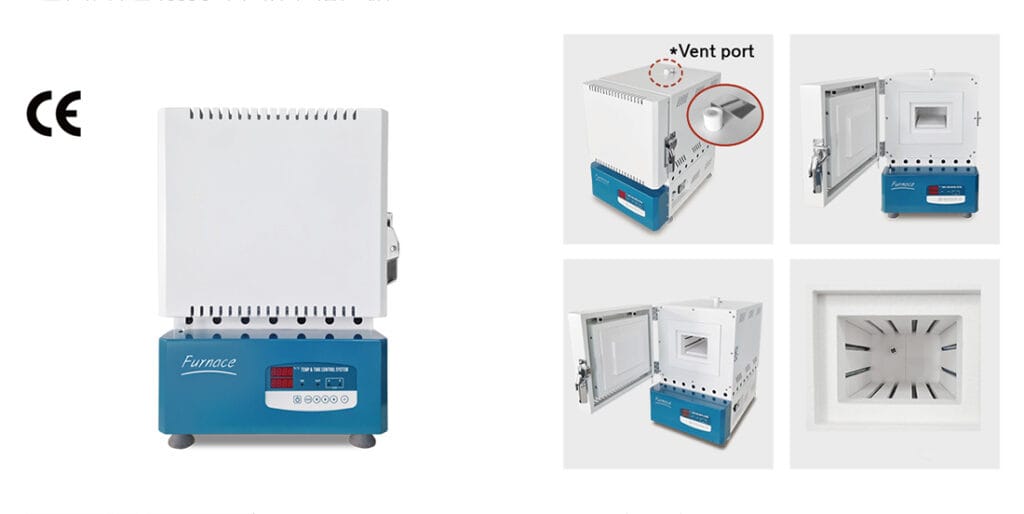
- Economic muffle furnace with flap door
- General laboratory use and ashing process
- Recommended ideal running temperature is below 850℃
- Heating from 3 sides
- Excellent outgassing thanks to the exhaust air outlet on the head of chamber, i.e plastic polymer
- Single housing
- Ceramic fiber materials which are not classified as carcinogenic
- Light weight
- Prompt heat up and good maintaining
- SSR operation and PID control provides low noise operation and precise temp control (+/-1℃)
Vacuum Furnace
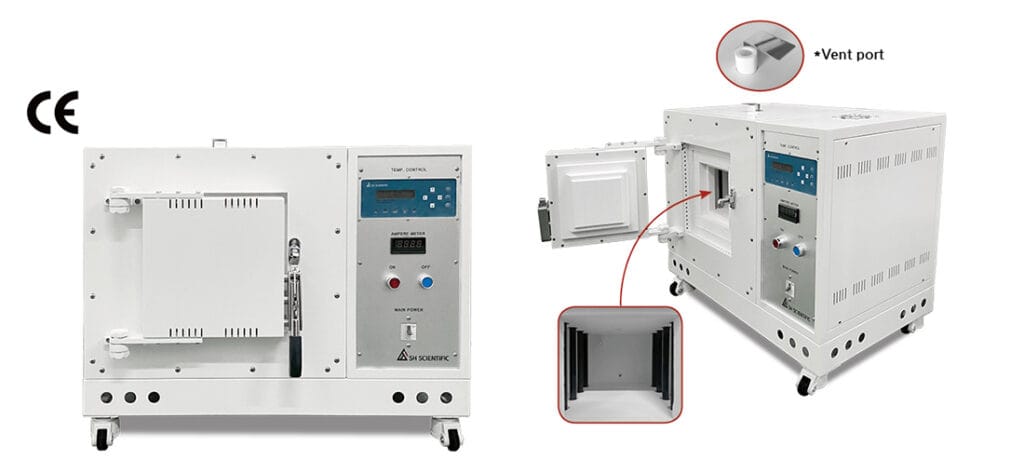
- Recommended ideal running temperature is below 1000°C
- Complete atmospheric control for non-oxidation environment
- Creating multiple atmospheric enviroment (burning in air, purging air and pulling vacuum, flowing inert gas and sintering)
- No limitation on samples sizes due to squre inner chamber compared to the ones with tube furnace
- Supporting hardening, annealing, tempering, brazing and sintering with or without vacuum.
- Consist of individual 4 port for vacuum, vacuum release, gas in and gas out
- An optional MFC(Mass Flow Controller) for precise, responsive and stable gas management across 98 inert gas presets
- An Optional BPR(Back Pressure Regulator) to maintain positive pressure inside the chamber
- Offering full configration with vacuum pump, MFC, BPR, Digital vacuum meter as optional for perfect & precise experiment.
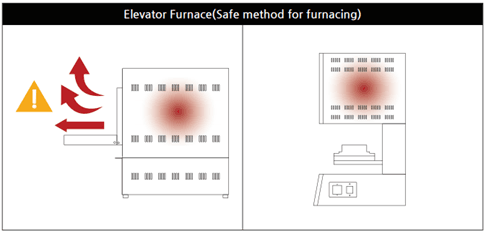
Elevator Furnace
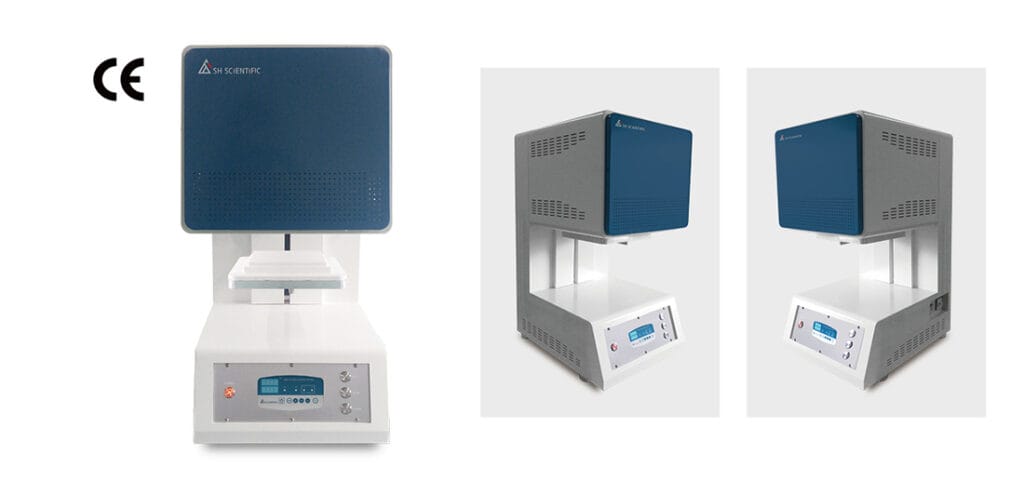
- General furnace with elevating mechanism
- General laboratory use with user safety
- Elevator furnaces are ideal for reduction, calcination, sintering, application of coatings, and other processes. SH Scientific system provides superior temperature uniformity, boasts energy efficient insulation, and delivers an ultra-pure atmosphere to process materials with minimal gas consumption.
Tube Furnace
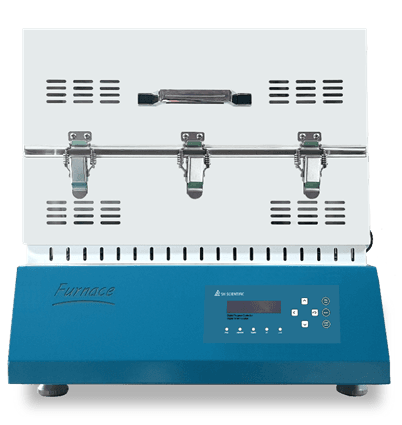
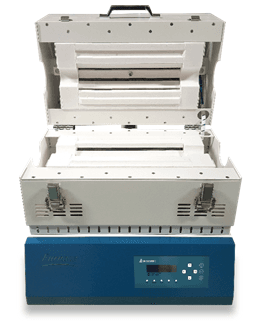
- High temp tube furnace with hinged door
- Double housing and low surface temperature
- Recommended ideal running temperature is below 1350℃
- Great durability thanks to SIC heating element and easy replacement
- R type thermocouple
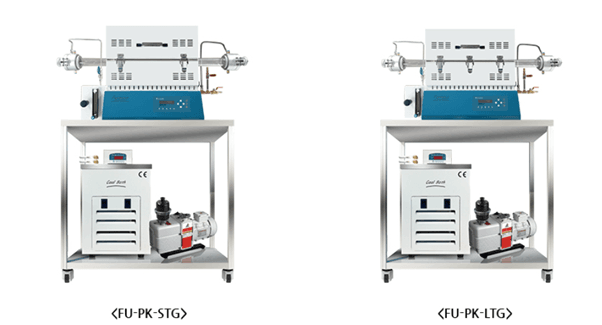
- Suitable for gas exchange experiment
- Light weight and prompt heat up thanks to ceramic insulation
- Convenient design for sample loading
- Built in programmable controller. 5 patterns and 9 segment/pattern. Total 45 segments
- Built in over temp protector
- SCR operation and built in programmable controller provides low noise operation and precise temp control (+/-1℃)
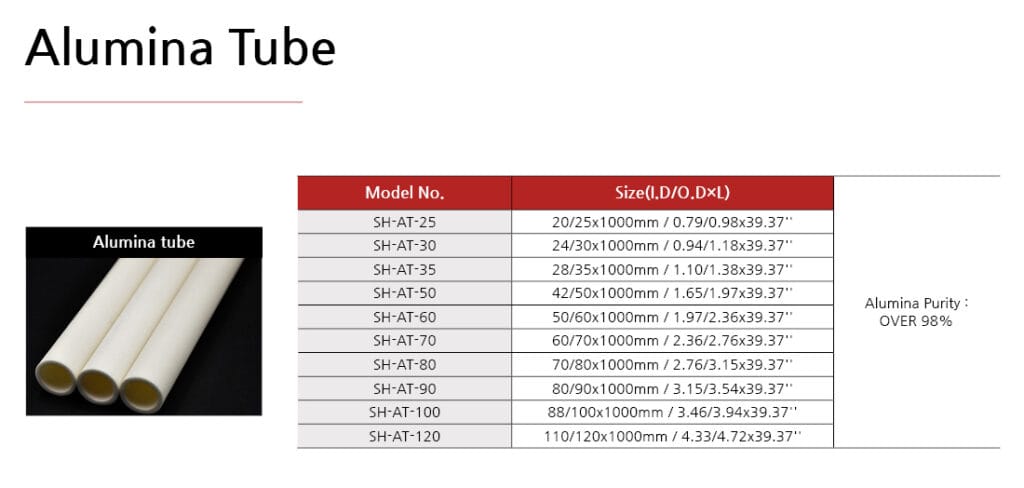
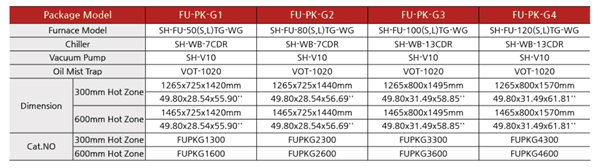
- Wide choice of applicable tube sizes. 50/80/100/120mm diameter.
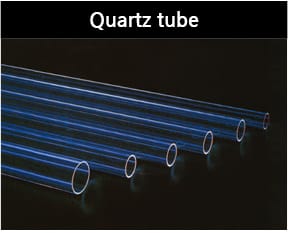
- Wide choice of tube materials. Quartz, ceramic, alumina and alloy
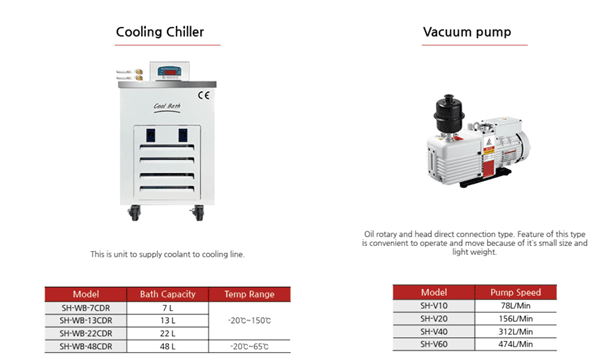
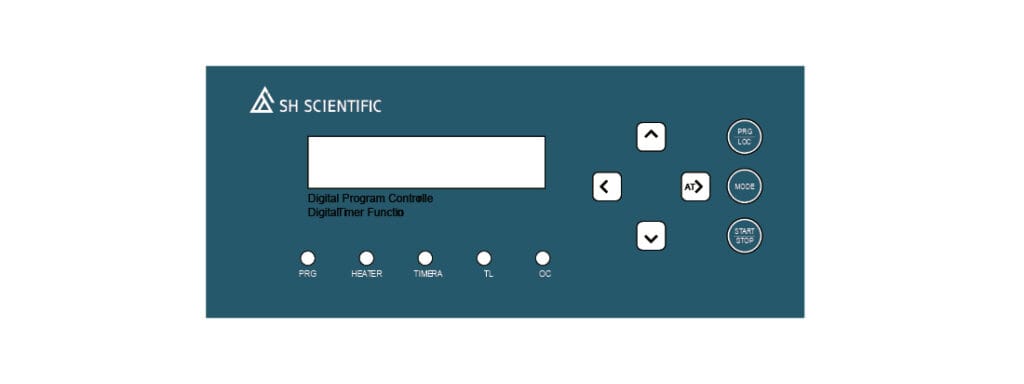
Progammable Controller
- LCD Display
- Program mode, Standard Mode Selectable.
- Parameter setting
- Auto tune function
- Timer function
- PV,SV can be displayed together
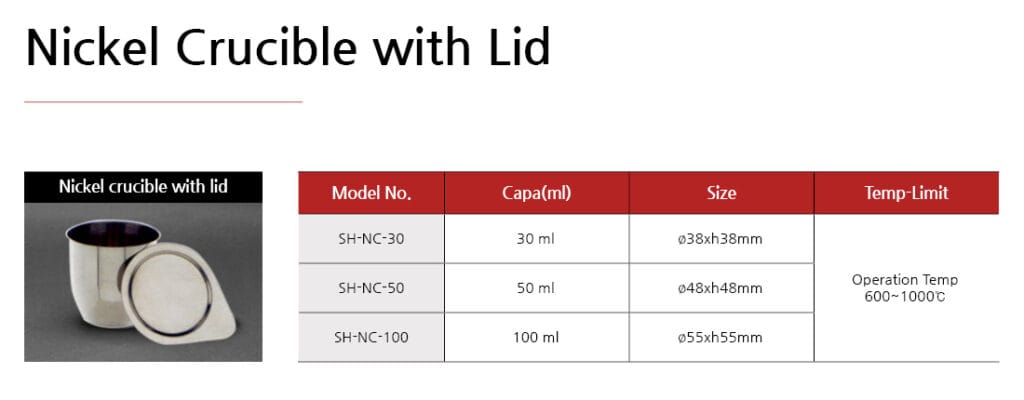
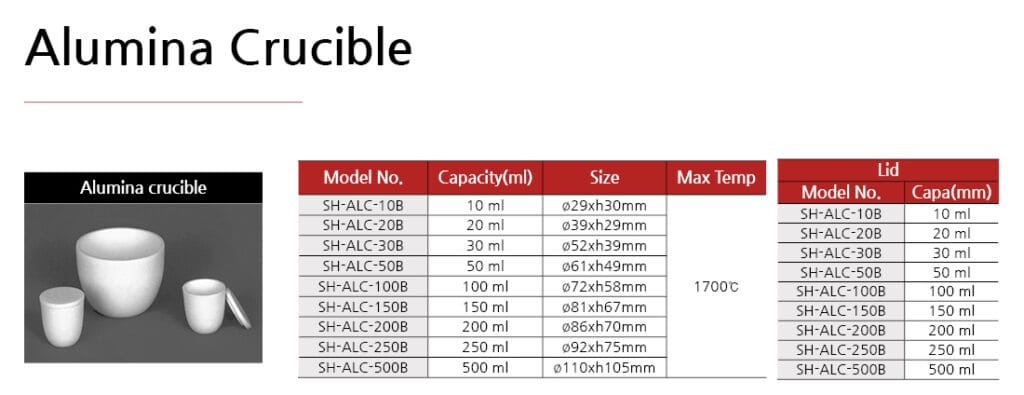
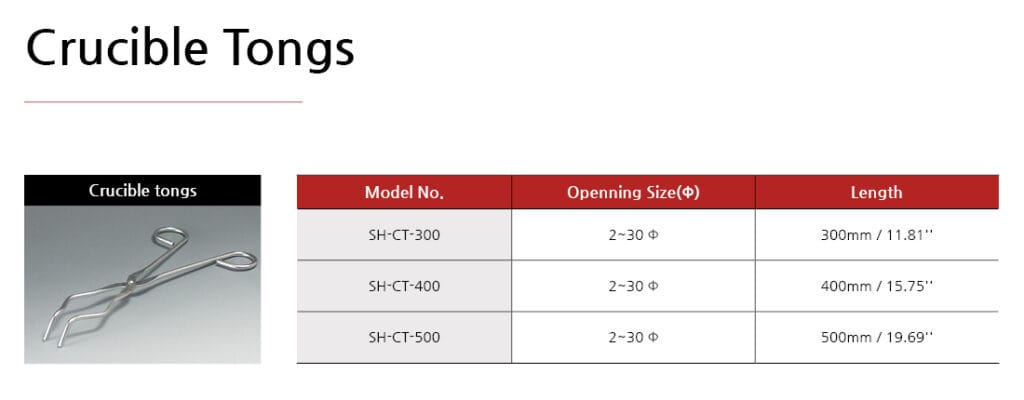
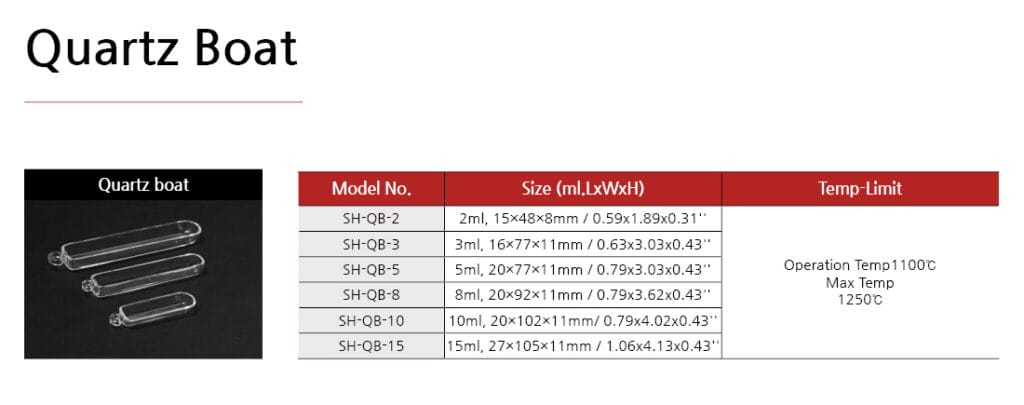
Furnace Accessory
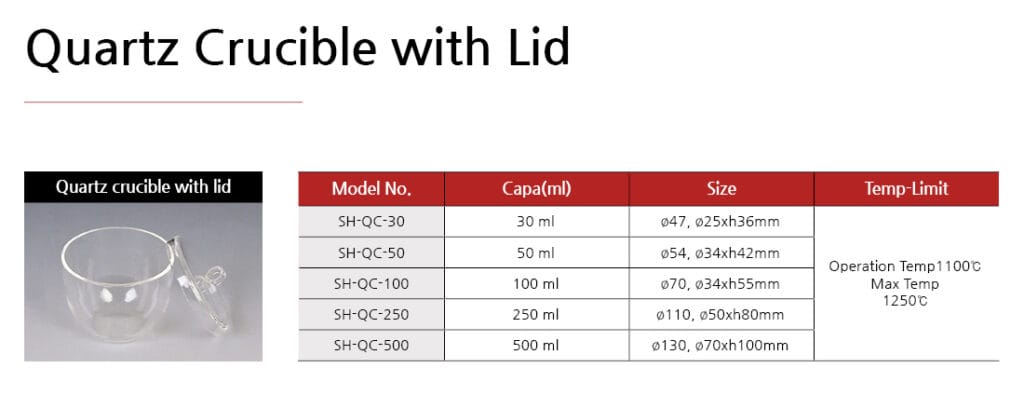
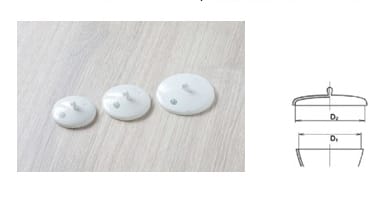
Crudible Lid
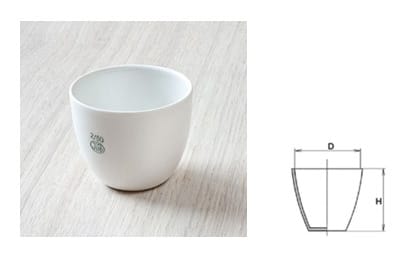
Crudible Body (Middle Form)
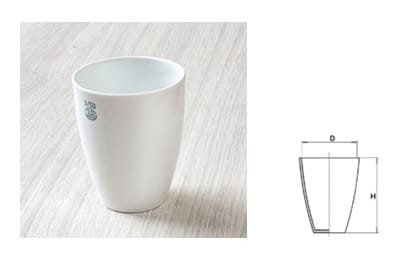
Crudible Body (High Form)
Combustion Boat
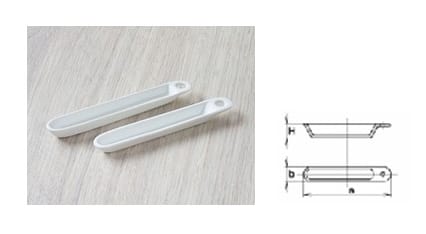
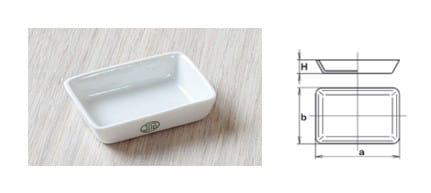
Annealing Square Dish