Laser-Induced Breakdown Spectroscopy (LIBS)
Laser-Induced Breakdown Spectroscopy (LIBS)
Asia Mattelab is the sole distributor for Lightgo Laser Induced Breakdown Spectroscopy (LIBS) in Singapore and South East Asia (Malaysia, Thailand, Vietnam, Indonesia, Philippines). Lightigo s.r.o. is a start-up company focused on the development and production of the analytical instruments for the Laser-Induced Breakdown Spectroscopy, one of today’s most promising technique of elemental analysis. Lightigo was founded in August 2019 by the researchers and hardware developers who have the long-term experience with the R&D in the field of LIBS.
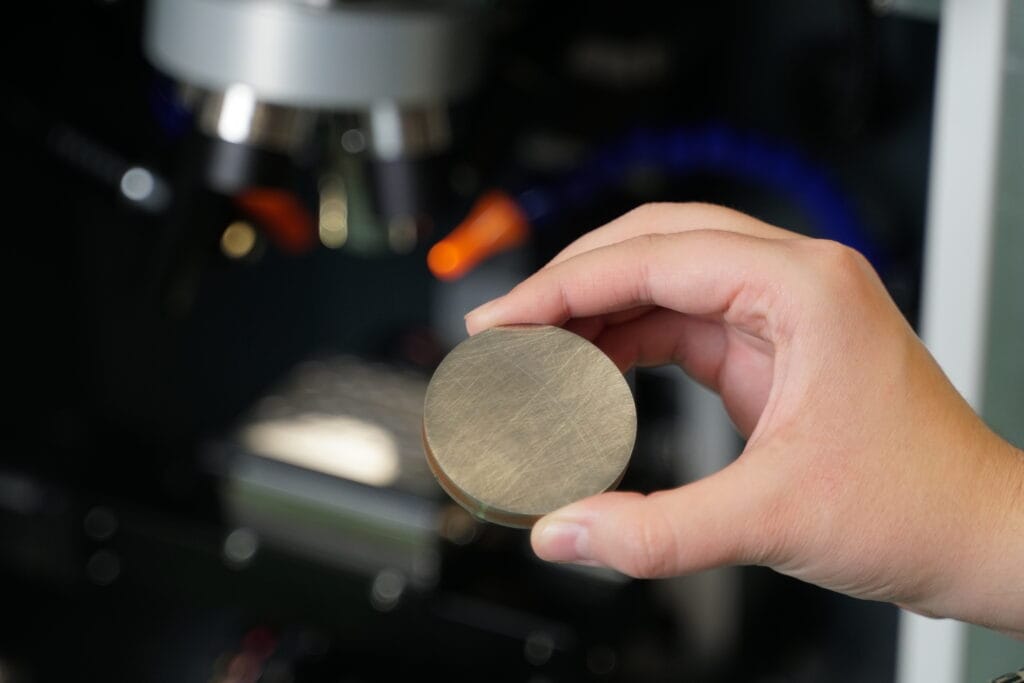
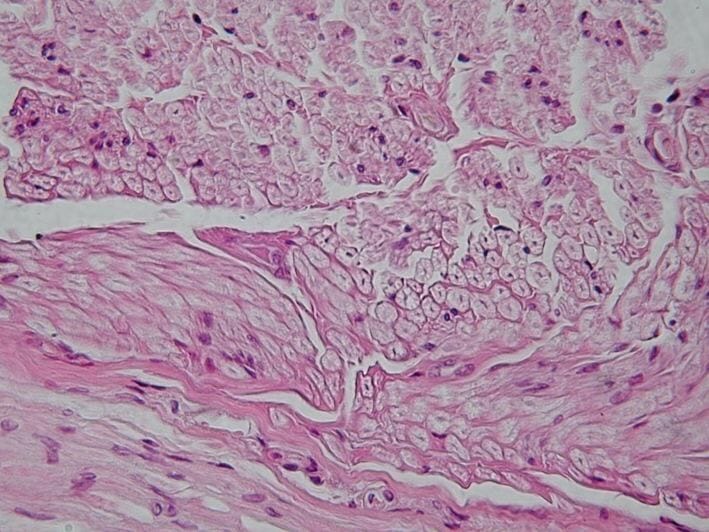
Laser Induced Breakdown Spectroscopy (LIBS) is a rapid chemical analysis technology that uses a short laser pulse to create a micro-plasma on the sample surface. This analytical technique offers many compelling advantages compared to other elemental analysis techniques. A typical detection limit of LIBS for heavy metallic elements is in the low-PPM range. LIBS is applicable to a wide range of sample matrices that include metals, semiconductors, glasses, biological tissues, insulators, plastics, soils, plants, soils, thin-paint coating, and electronic materials.
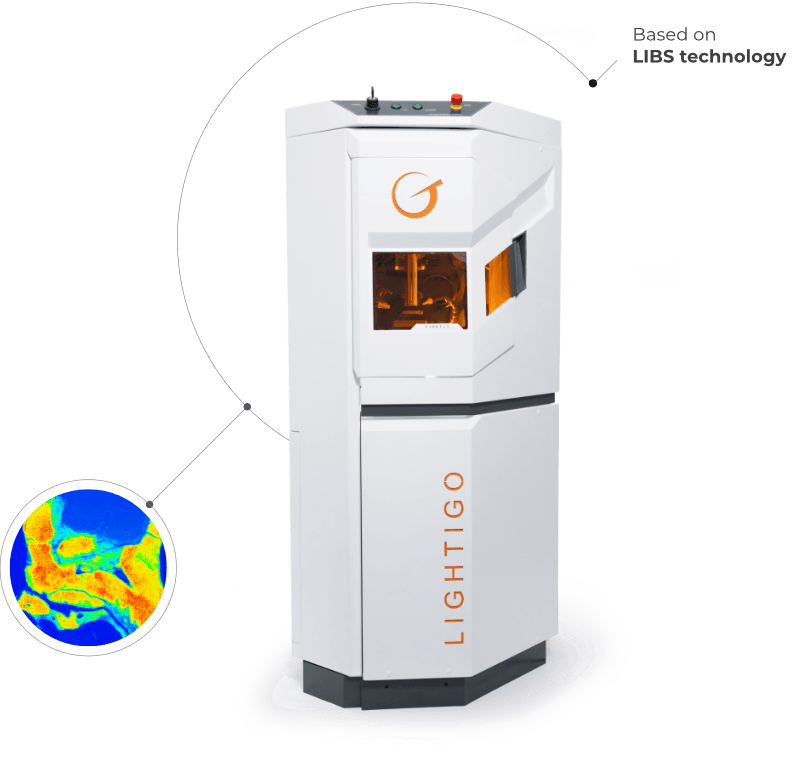
FireFly is an analytical instrument for rapid multi-elemental analysis and chemical imaging. It utilises the Laser-Induced Breakdown Spectroscopy (LIBS) – one of today’s most promising technique of elemental analysis. With FireFly, you can easily apply the key benefits of LIBS technology in your elemental analysis application. The FireFly is a robust and easy to use system. It allows fast multi-elemental analysis of solid samples without the need of complicated sample preparation. You obtain results within seconds.
Main Characteristic for FireFly are :
- Solid samples
- 1-100 ppm limits of detection
- 10-150 um spatial resolution
- Chemical imaging and depth profiling
- 100 x 100 mm scanning area
- 100 Hz scanning rate
- Efficient technology, low operational cost
- Wide range of elements, including Li, Be, Mg, Na, N, C
Meet The FireFly
Flexibility and Capability of The FireFly are Numerous

Key Benefit
Add Your Heading Text HereTake the experiences and requirements of the users, who work with the elemental analysis on the daily basis. Mix in the unique benefits of LIBS technology and you get the FireFly
Clear Sample View
No more blurry images ! Laser ablation optics are combined with dedicated microscopy sample view optics to provide you with clear and sharp images of a sample being analyzed
Illumination is of a dual-type to adapt to the wide spectra or sample types :
- Colinear LED Illumination
- Difused LED Illumination
Quick Targeting
You will never get lost in magnified sample surface while searching for desired spot for the analysis
- Switch between multiple Fields of View
- Create whole-stage overview image
- Move the sample simply by mouse button click on desired spot
Measurement Modes
Wheter you want to check few spots dispersed on the samole or perform large area scan, FireFly has right tool
- Multi-Spot
Schedule a series of spots and start the measurement at once
- Mapping
Scan the area to visualize concentrations of multiple elemets
- Line Scan
Scan along the line, boundary or vein by drawing a polygonial line
Depth Profiling
For each spot, a total number of laser pulses and measurements can be set. Resulting group of spectra from each spot can be used for
- Accumulation for improving the signal to noise ratio thus improving the limits of detection
- Multi-layer depth analysis to determine elemental composition of individual depth layers of the material
Spectra and Maps
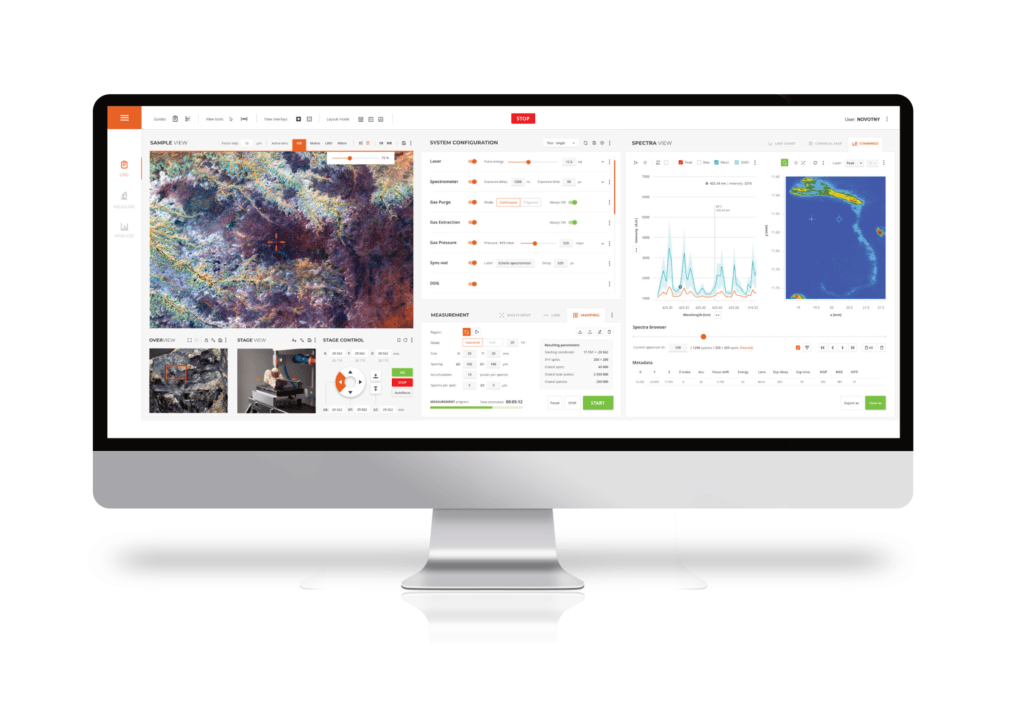
Explore the results in a form of spectra and chemical maps utilizing flexible and intuitive tools.
- Pan, Scroll, Scale and change color histogram
- Use Max, Mean, SDEV and Peak overlay curves to simplify the quick spectra evaluation
- Quickly re-draw the map to display the distribution of concentration of a different element
- Filter spectra by unique metadata
- Show atomic emission line from LIBS database
- Export to ASCI, Bitmap to optimize data file
Mapping Capabilities
Single map scan collects complete analytical data about the elemental composition. Creating the map for any present element is a matter of moment
- Area up to 100 x 100 mm
- Scanning rate up to 100 Hz, full UV-NIR range spectra
- Resolution 10 nm minimal, 30-100 nm typical
- Duration, 1 square cm in 8 minutes, 50 nm step size – 512 DPI
Technical Highlights
Laser Wavelength
With the FireFly you can always select laser wavelength, which is optimal for your current applications.
- Do you need a smaller spot size or high absroption ?
Select UV 266 nm
- High pulse energy is the priority ?
Switch to IR 1064 nm
- Or simply utilize versatile ?
Switch to VIS 532 nm
Multiple Objectives
Different optical task require different objectives in order to be solved without any compromises :
- Multiple plan-apochromatic objectives for sharp view with varios magnifications
- High damage-threshold objectives corrected for precise laser focus etiher in micro-focus or long-depth of focus versions
FireFly has them all – moreover, mounted on motorized objective turret controlled via single button click in SW !
Laser Focusing
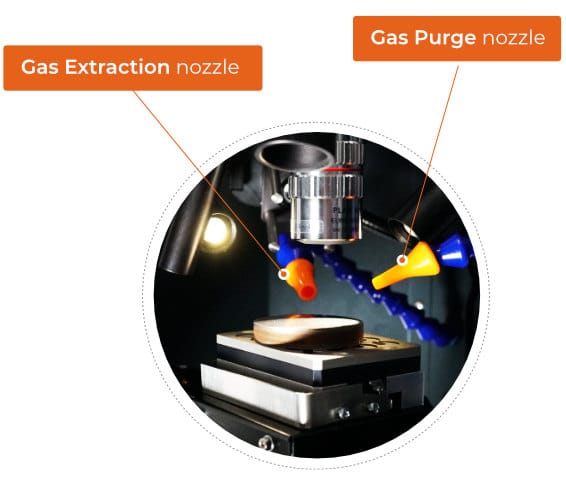
FireFly can handle non-flat samples, which otherwise might cause laser defocus and signal fluctuations during the mapping.
- Autofocus, even during the mapping
- Dedicated long depth of focus (DOF) objective
Motorized focusing stage can be used to change the laser spotsize on the sample directly from the control software.
- Less than 20 nm spot size can be achieved by aperture imaging technique
Core Components
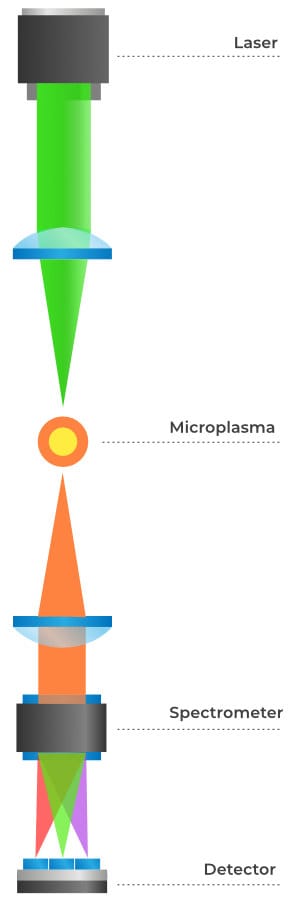
Lasers, spectrometers and detectors are the core components of every LIBS system. There are multiple configuration of which we always select the optimal one based on customer requirements
Lasers
DPSS Nd:YAG pulsed laser is used for including the plasma
- Modern and efficient Diode-Pumping (DPSS)
- Longer life-time, and better stabiility compared to the traditional FPSS lasers
- Effeciency of the DPSS results in a lower power consumption, quite run and simple air cooling
- 24/7 operation capability
- Motorized pulse regulation, energy meter and wavelength conversion is available
Spectrometer
Plasma radiation is captured by the UV-NIR collecting optics and spectrally decomposed by the spectrometer
- Compact multichannel Czerny-Turner spectrometers
- High performance Echelle spectrometers
Detector
Radiation is captured by the detector and converted into the spectra
- Basic CMOS detectors
- Advanced sCMOS or EMCCD detectors
- Specialized intensified sCMOS/CCD detectors
Miscellaneous
Users Roles
It is possible to differentiate individual users. Different roles has different rights in control software
Configuration Profiles
Various system configuration can be saved and loaded thus easily used next time
Self Diagnostic
Initial measurement of standard highly homogenized sample is used to track and visualize system performance
Measurement Guides
Step-by-step guides for most common measurement scenarios.
Automated Log
Activity of the user is automatically recorder, can be browsed and exported.
External Synchronization
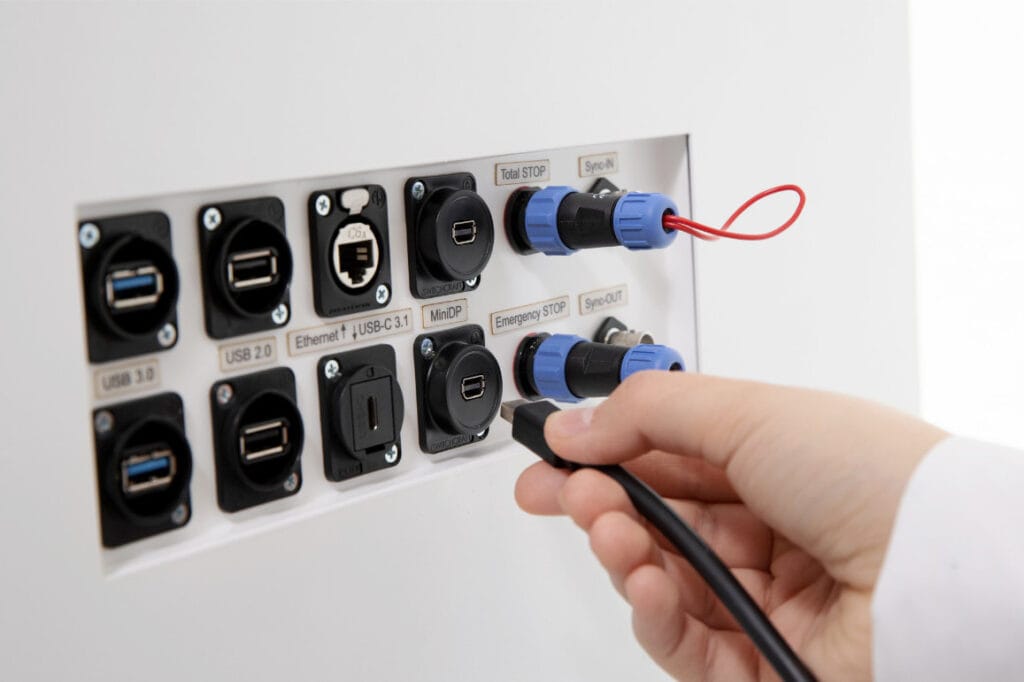
Internal synchronization clock can be synchronized both IN and OUT to external instruments utilizing TTL pulses and BNC connectors.
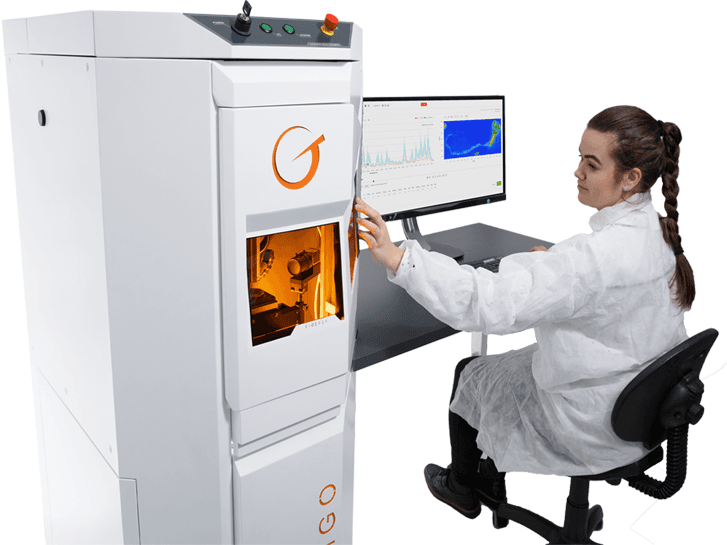
FireFly Exterior
What about The Ergonomy ?
Every obstacle counts when analyzing for hours…
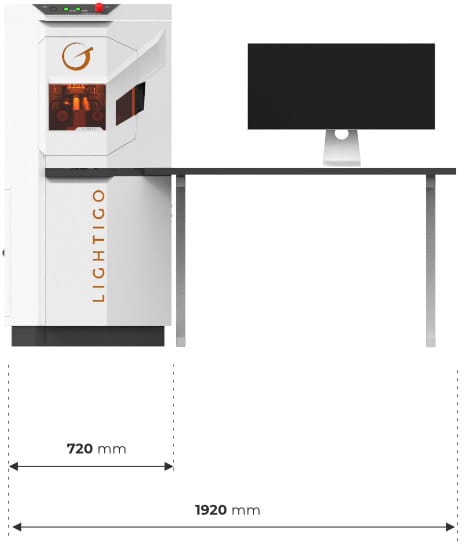
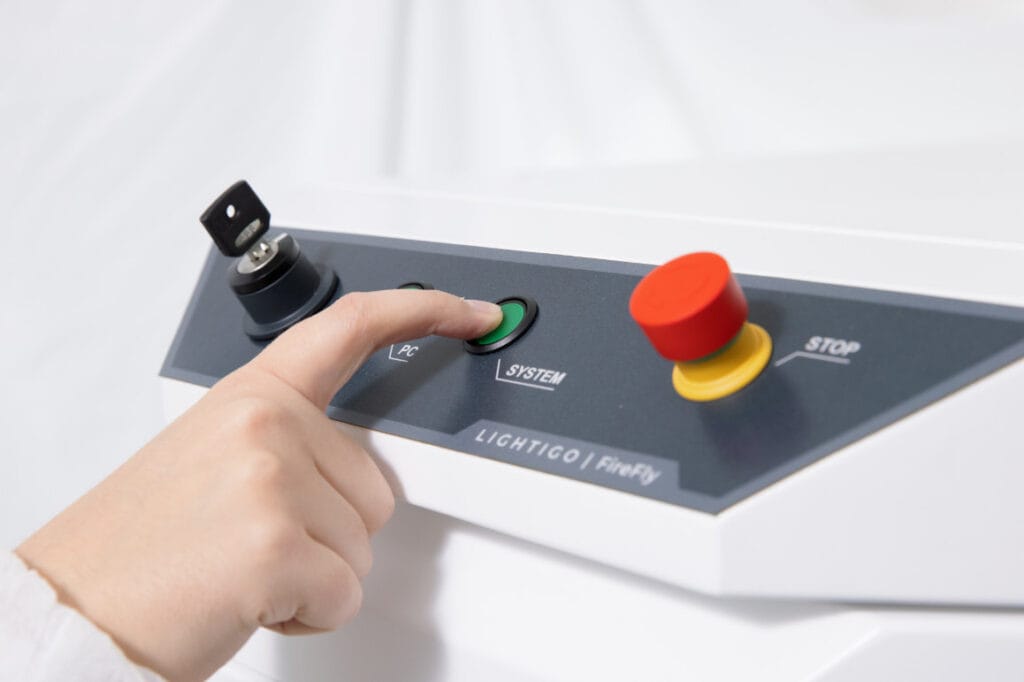
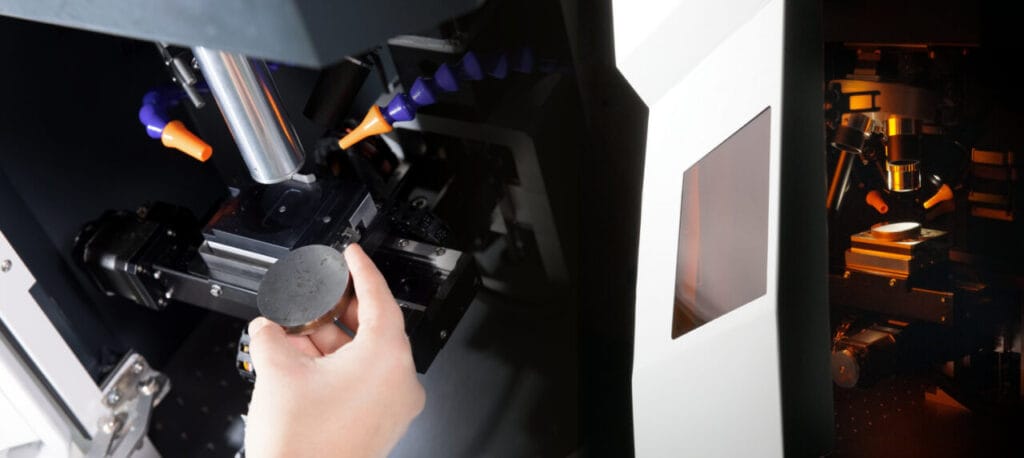
We are aware of this, so we have put our effort to design an efficient and comfortable work position with easy chamber/sample access.
- A spacious front window enables one to observe the interaction area and laser ablation from the front.
- Side windows enable the user to see into the chamber while sitting in front of PC.
- The Chamber door handle is perfectly accessible directly from the PC. Just extend your arm and open the wide chamber door to comfortably handle the sample.
SyncRay – Digital Delay Generator
Your nifty box for precise synchronization
Syncray is a digital delay generator designed to create and manipulate delays or echoes of sound signals. The device takes an input audio signal and reproduces it after a specified amount of time, creating a repeated, delayed version of the original sound.
Syncray offers various parameters and controls to shape the delay effect. It allows the user to adjust the delay time, determining how long the repetition occurs after the initial sound. Additionally, it provides options to control the feedback, which determines the number of repetitions and their decay over time. This feature adds depth and texture to the delayed sound.
Moreover, Syncray may have additional features like modulation, filtering, and synchronization capabilities. Modulation introduces subtle variations to the delayed sound, creating a more dynamic and evolving effect. Filtering allows the user to shape the frequency content of the delay, emphasizing or attenuating specific ranges. Synchronization enables the device to synchronize the delay time to a tempo or external clock source, ensuring precise rhythmic repetitions.
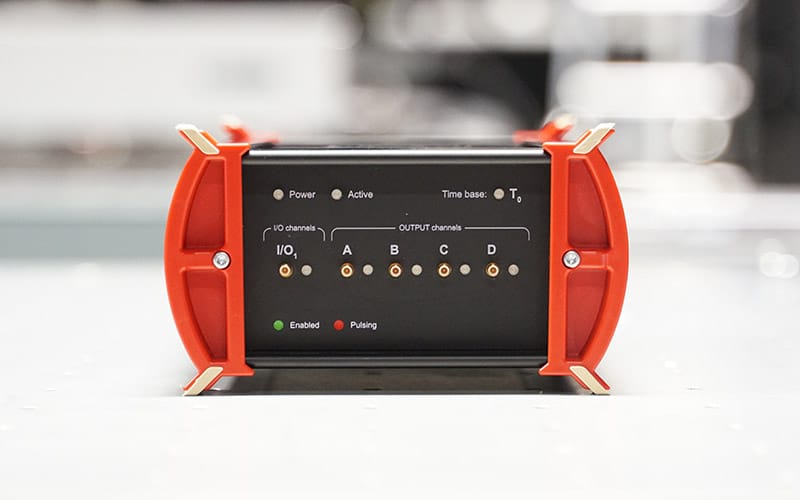
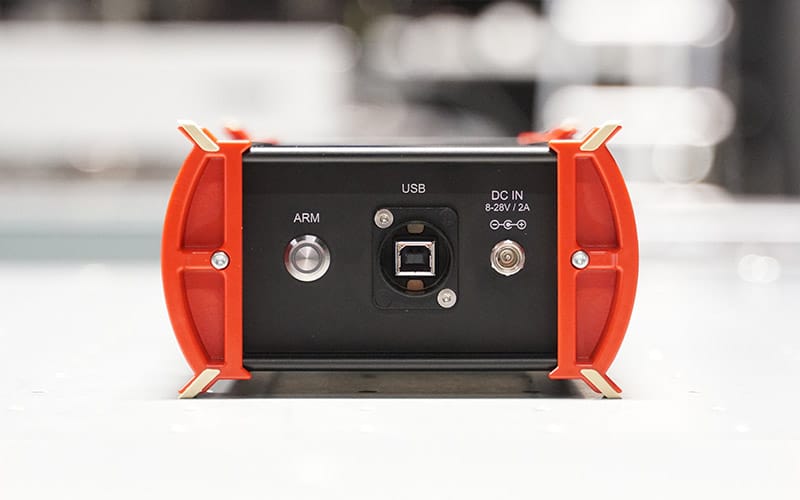
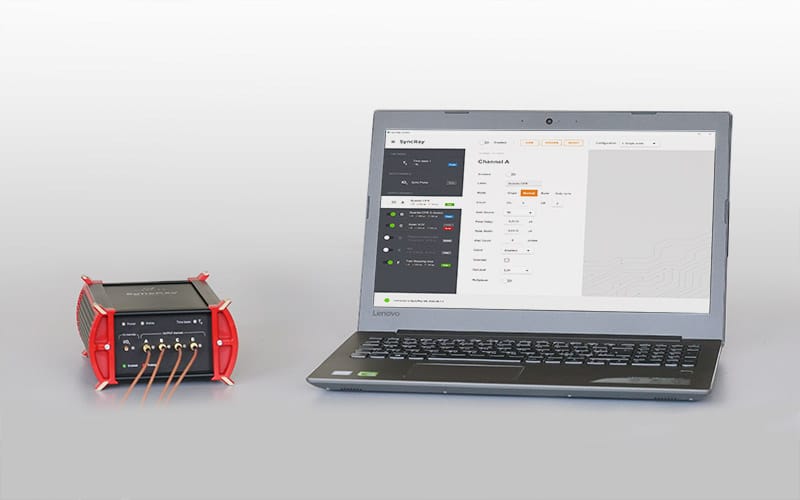
Precise analysis requires precise synchronization. With the SyncRay, our compact Digital Pulse (Delay) Generator (DPG), you can synchronize up to 5 instruments with nanosecond precision. SyncRay has been designed as a compromise between cheap DPGs, which lacks some important features and more advanced DPGs, which are too big and/or too expensive.
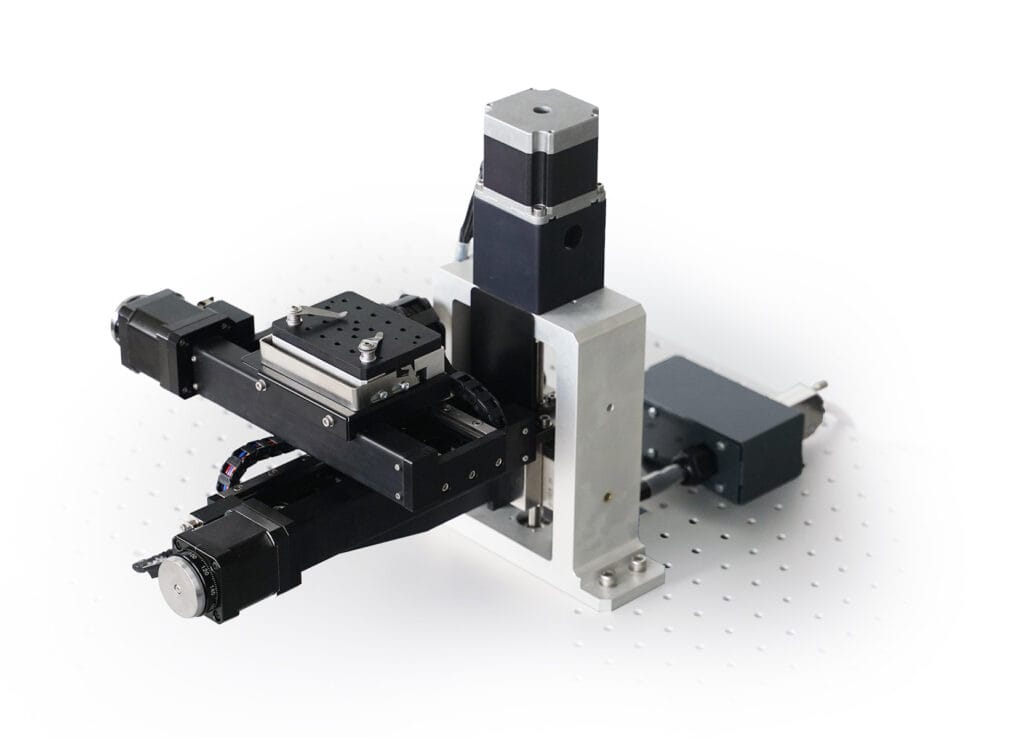
3-axes Motorized Stage for LIBS
Do not waste your time with the manual sample movement, which is slow, inaccurate, and hardly repeatable.3-axis motorised stage is beneficial for any application where frequent sample movement is required: optical microscopy, analytical techniques (Raman, LA-ICP, XRF, LIBS, …), material processing methods, and many others.
Specification
- Travel range: X × Y × Z: 100 × 100 × 70 mm
- Step resolution: <1 μm
- Bi-directional repeatability (RMS): ±0.40 μm
- C++ control libraries for OEM integration
Software features
- Relative / absolute movement to a coordinate
- Automated movement based on the series of coordinates for the mapping (chemical imaging)
- Batch import / export coordinates
- Wait time and Trigger-out after reaching set coordinate
Custom Product
Where quick elemental analysis is desired, the LIBS technique can save time, money and material resources.
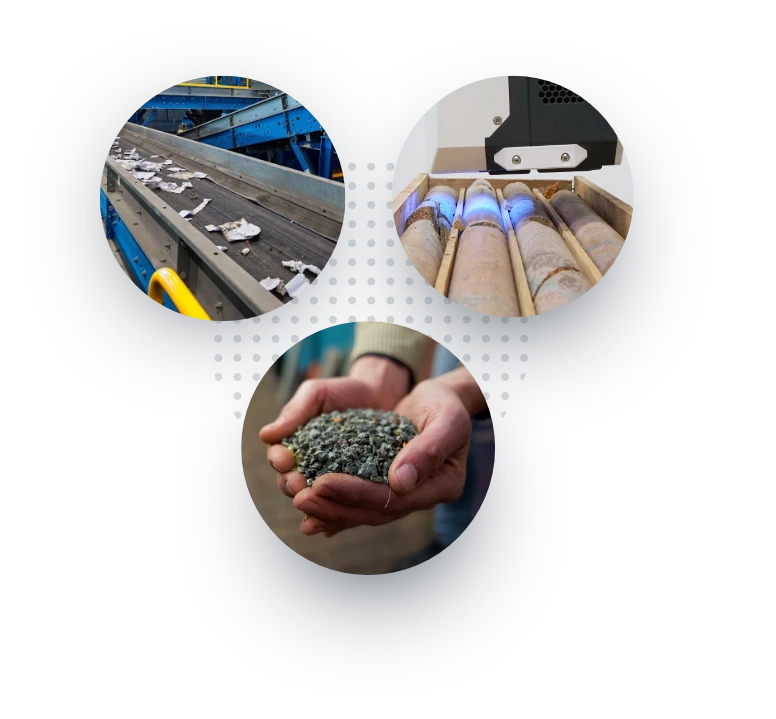
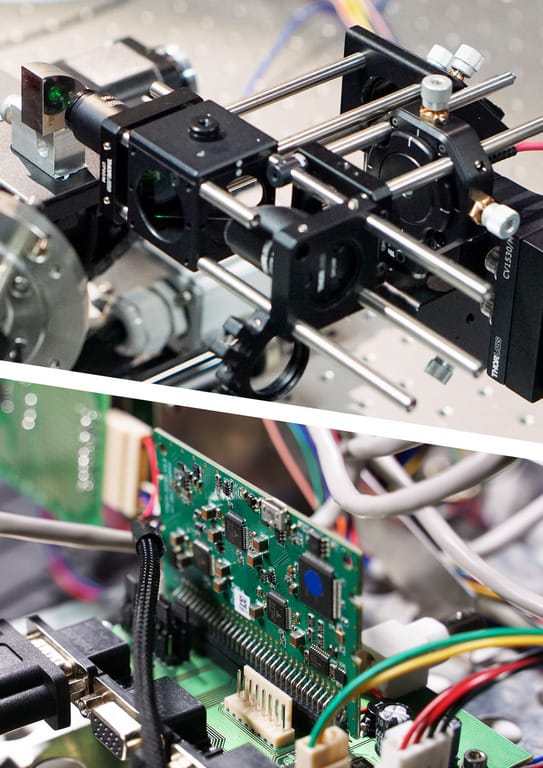
Wide spectrum of industrial fields can benefit from the LIBS technology. From laboratory LIBS systems, in-situ compact LIBS instruments or stand-off systems capable of material analysis at the distance of units of meters. R&D team of Lightigo, in close cooperation with Laboratory of Laser Spectroscopy on CEITEC BUT is capable of custom development of the LIBS systems based on customer’s needs.
Application examples
- Depth profiling of multilayer materials
- Quality control of input / output materials
- Chemical mapping of heterogenic materials
- Detection of metallic / heavy / toxic elements
- Material sorting
Mini Fly
Compact Innovation, Powerful Analysis
The miniFly series from Asia Matellab represents a new generation of compact analytical instruments powered by Laser-Induced Breakdown Spectroscopy (LIBS). Engineered for precision and versatility, the miniFly core unit serves as the foundation of a modular system that can be easily expanded with specialized add-ons. Whether you're conducting elemental analysis in the field, on the production floor, or in a research lab, miniFly offers a flexible and portable solution tailored to your exact requirements.
Each module is designed to address specific application needs—be it material identification, metal alloy sorting, or quality control—making the miniFly system a perfect fit for industries such as metallurgy, recycling, mining, and beyond. With its compact design, rapid measurement capabilities, and high sensitivity, miniFly redefines what’s possible in mobile spectroscopy.
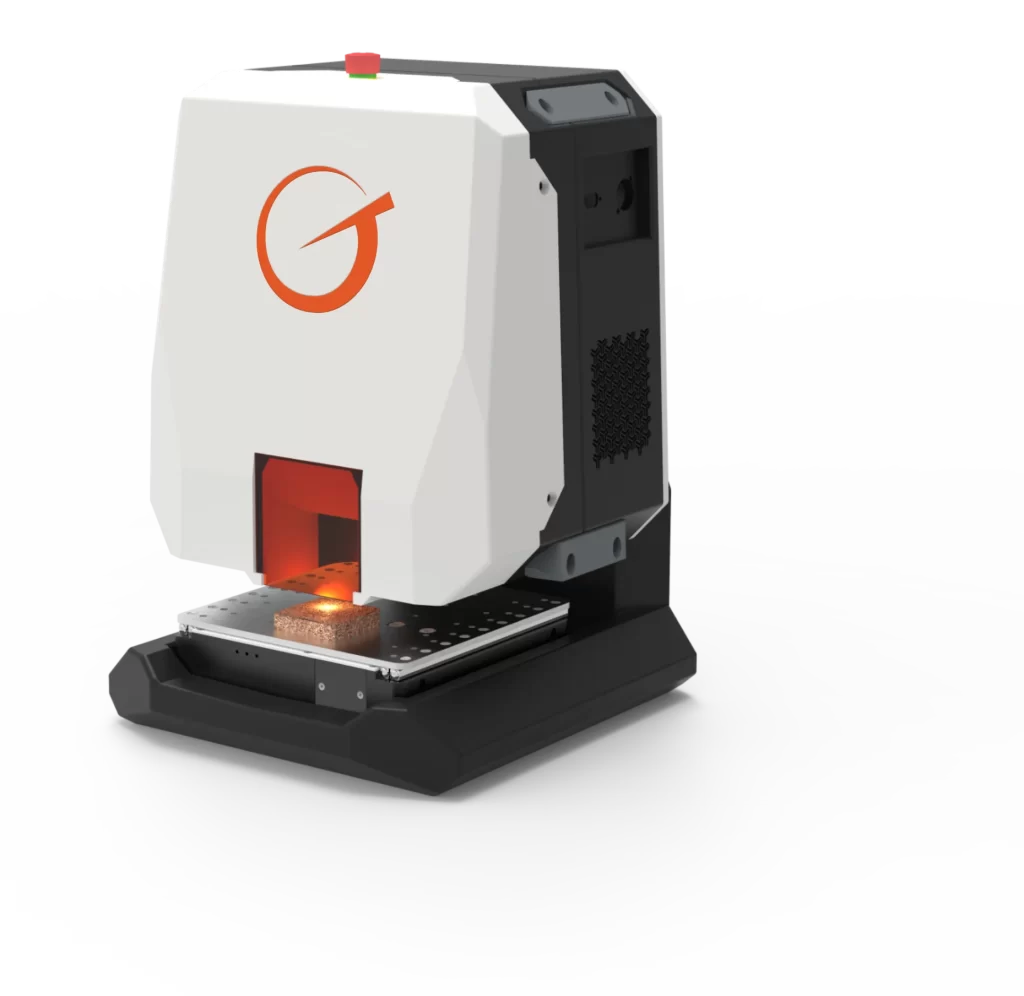
Industrial configuration - Minifly
ndustrial systems prioritize the high sensitivity to the required chemical elements, combined with adaptability, speed, and durability.
Core unit can be equipped with:
- Remote analysis module for up to 1 m distance.
- Up to 1kHz repetition rate module for high sample throughput.
- MODBUS/Ethernet communication protocol.
- Dust-seal and vibration-resistant enclosure.